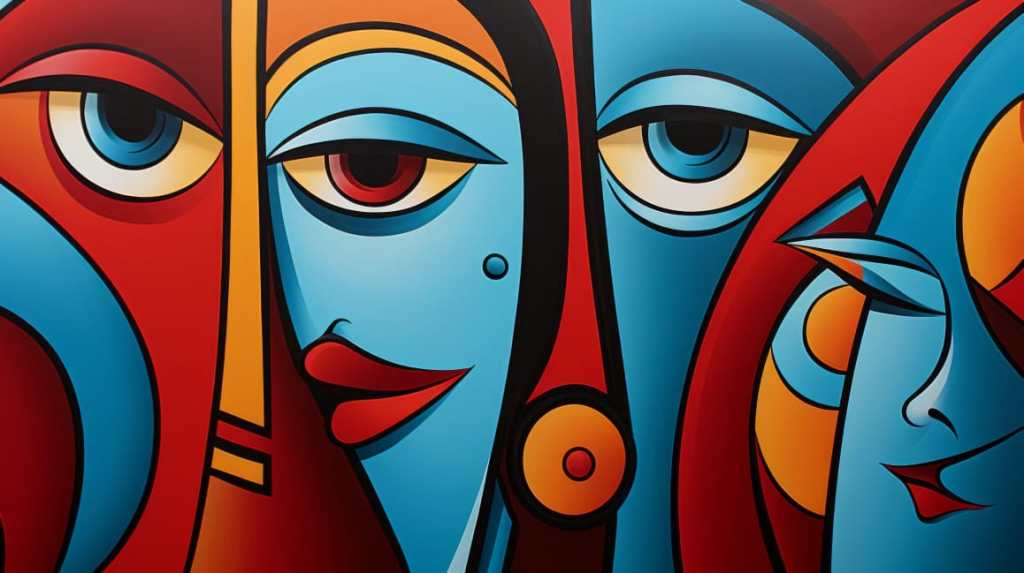
The integration of artificial intelligence into many industries has created huge differences, and the field of contemporary art is no exception. In particular, AI-generated images are influencing inventive expression and production on an unprecedented scale. This progressive era offers both exciting opportunities and ambitious challenges, changing traditional preventative practices and understandings of copyright law.
Opportunities for Creative Expression
One of the most interesting components of AI in art is its ability to embellish and expand the creative system. Artificial intelligence-generated photographs allow artists to reveal complex ideas that would be difficult or impossible to bring to life manually. It can integrate many elements from huge databases of styles, techniques and historical contexts, thereby offering a new set of tools for creativity.
For example, the introduction of AI-generated character pictures from different cultural contexts involves the use of AI to interpret and visualize the character using modern methods. These photographs transform literary description and the creator’s vision into visible spectacles, introducing a whole new level of interpretation and enhancing the multisensory experience. Artists are now using AI not just as a device, but as an assistant, pushing the boundaries of traditional multimedia art.
Transforming the Artistic Process
The availability of artificial intelligence tools is democratizing the art system. People without formal training can now create works of art that echo the sweetness and complexity of professionally created works.
Moreover, free background images and patterns created with the help of artificial intelligence are revolutionizing the advertising and design industry. Platforms like Lexica and Vitalentum offer customizable and beautiful images that can be adapted for different projects without the day-to-day restrictions of copyrights or excessive costs. Resources like these are invaluable for smaller agencies and open-minded creators who require professional visual effects on a smaller budget.
Challenges to Traditional Artists
Despite the benefits, the development of AI in the arts creates extremely challenging situations, especially for traditional artists. There is a growing concern that AI-generated artwork images may also undermine the value of management abilities and artistic strategies that have been honed over centuries. Traditional artists may also struggle to keep their abilities relevant in a market that increasingly favours pace and technological innovation over skill.
The rapid production capabilities of AI also raise questions about the saturation of the art market and the originality of artworks. As art created by artificial intelligence becomes more common, distinguishing unique works of art from industrially produced parts becomes increasingly difficult, likely devaluing the concept of a work of art as a unique and personal expression.
Copyright and Ethical Dilemmas
The criminal implications of AI-generated photography are complex and largely unexplored. Copyright laws have historically protected human creators, but AI complicates this system by erasing the traces between creator and tool. The question of who owns the copyright in a work created by AI—the programmer, the AI system, or the artist using the system—remains largely unresolved.
These problems also extend to the moral sphere. The authenticity of works of art created by artificial intelligence is the subject of heated debate. Can something be considered “art” if the innovative approach has become largely independent? How will we pay for works of art without human intervention? These philosophical questions challenge the fundamental principles of artistry and creativity.
The future of artificial intelligence in contemporary art looks promising but requires careful consideration and active adjustments. By creating an environment that embraces both innovation and tradition, the arts community can ensure that AI serves as a tool to enhance human creativity rather than as a replacement for it.
Conclusion
Artificial intelligence-generated images are undoubtedly changing the landscape of contemporary art. They offer incredible opportunities for innovation and the democratization of creative expression, but they also pose significant challenges that need to be addressed. Balancing these opportunities with potential pitfalls will be critical as we navigate the future of art in the age of artificial intelligence.

 Top Market Business Blog
Leave a comment